President Trump's Cyber Strategy for America: What It Means for the U.S. and Why It Matters Globally

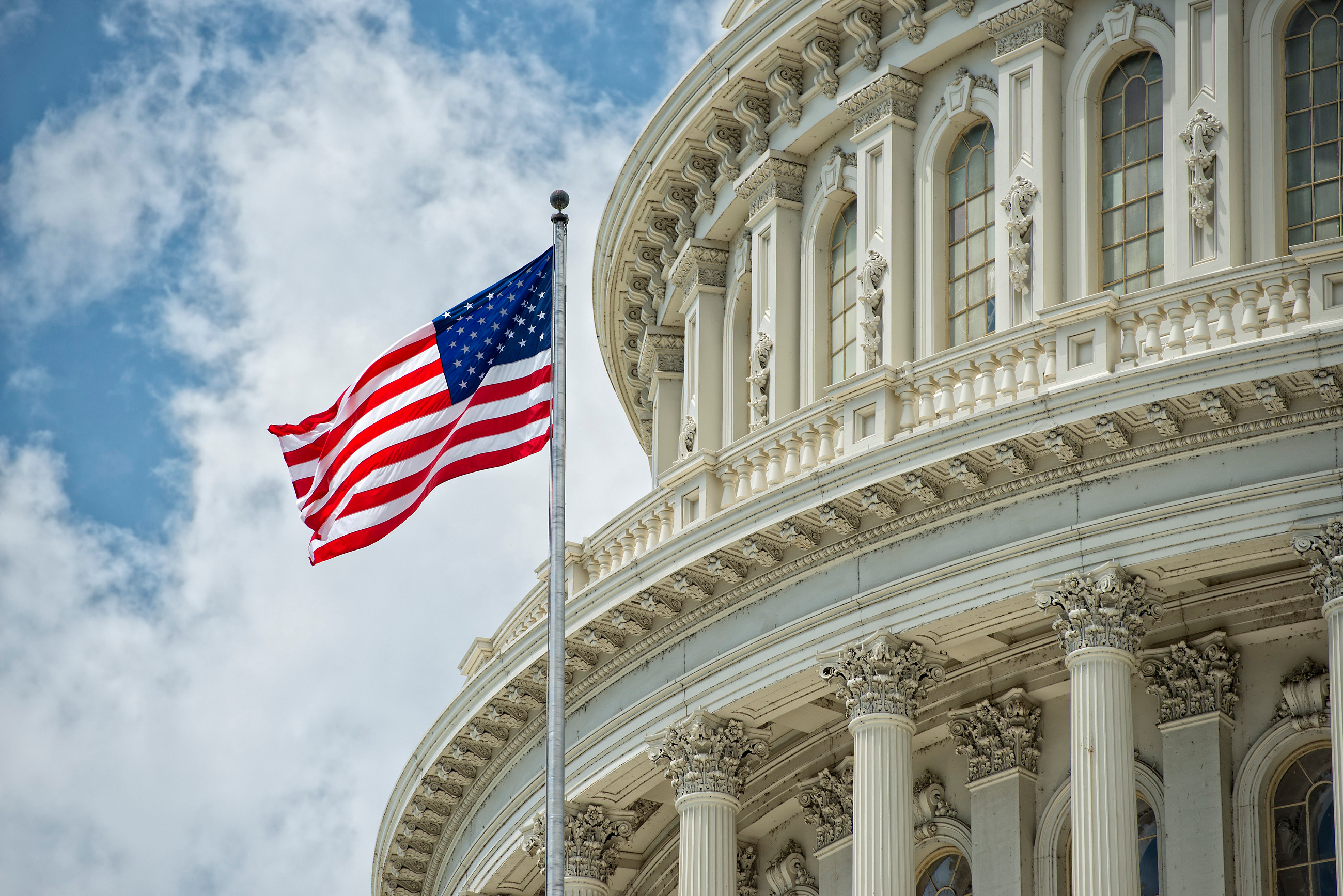
President Trump's Cyber Strategy for America signals a shift toward risk-based security and cooperation across emerging technologies. While centered on U.S. interests, the strategy provides a blueprint to collectively strengthen global cyber resilience.
Key takeaways
- Cybersecurity as a global security imperative: The strategy signals that cybersecurity has evolved beyond a mere "IT issue" to become a foundational requirement for national security, economic resilience, and global stability.
- Strategic shift to risk-based, outcome-focused governance: There is a clear move away from static "checklist" compliance toward streamlined, outcome-focused regulations that enable agility and elevate cyber risk to the boardroom.
- Secure-by-design for emerging technology: To maintain a strategic advantage, security must be embedded from the earliest stages of design and deployment for AI and quantum systems, requiring deep visibility into models, data, and infrastructure.
The release of President Trump's Cyber Strategy for America marks a pivotal moment for how the United States thinks about cyber risk, resilience, and responsibility.
At less than 10 pages, the strategy is intentionally concise, but its implications are anything but small. Designed as a strategic north star, it aims to consolidate cybersecurity policymaking that has long been diffused across the federal government, align resources around shared priorities, and set the stage for more detailed implementation through executive actions and agency level plans.
More importantly, the strategy recognizes a reality the cybersecurity community has understood for years: cyber threats are not confined to either the public or private sector. Decisions made by the U.S. government reverberate globally, shaping international norms, influencing regulatory approaches, and raising expectations for how both public and private organizations manage cyber risk.
At Tenable, we see the 2026 U.S. national cyber strategy as a clear signal that cybersecurity is no longer just an IT issue, it's a national, economic, and global security imperative. Below, we share our perspective on why the Strategy matters and how its six pillars align with the evolving cyber threat landscape.
Why the national cyber strategy matters beyond Washington
Cyber adversaries operate at machine speed, across jurisdictions and with increasing coordination. Nation-states, cybercriminal organizations and hybrid actors target governments, critical infrastructure and private enterprises using many of the same techniques to exploit vulnerabilities, misconfigurations, identities and other exposures.
The U.S. national cyber strategy establishes:
- Signals to allies and adversaries about deterrence, defense, and consequence
- Expectations for accountability, especially at the executive and board level
- Standards for modernization, including Zero Trust, cloud security, AI security, and post-quantum cryptography
- A blueprint for public–private collaboration, recognizing that the private sector owns and operates much of the world’s digital infrastructure
In many ways, this Strategy will influence how cybersecurity programs are shaped not just across federal agencies, but across global enterprises that do business with the U.S. government, or that look to U.S. leadership for direction.
Pillar 1: Shape adversary behavior
Strategy focus: Deterrence, collective defense, and real consequences for cyber adversaries.
This pillar reflects a shift from purely reactive defense to a proactive approach that actively shapes the cyber threat environment. The Strategy emphasizes using the full range of cyber capabilities, defensive and offensive, to reset the risk calculus for adversaries and counter the global spread of authoritarian and surveillance based technologies.
Tenable’s POV:
Deterrence in cyberspace starts with clarity. Clarity about what matters most, where risk truly exists, and how adversaries are likely to exploit it. In an interconnected digital economy, shaping adversary behavior is increasingly a multinational effort, requiring shared norms, intelligence and coordinated action among allies and partners.
Global cyber stability depends on collective defense models that align public and private sector capabilities across borders. When organizations, government and industry alike continuously understand and reduce their most critical exposures, they contribute to an environment where malicious activity becomes more difficult to scale, conceal, or sustain. This shared posture reinforces international norms around responsible state behavior in cyberspace while raising the cost of aggression for adversaries worldwide.
Pillar 2: Promote common sense regulation
Strategy focus: Streamlining cyber regulations, reducing checklist-driven compliance, and elevating cybersecurity to the boardroom.
The Strategy calls for regulatory reform that prioritizes real risk reduction over costly, fragmented compliance exercises. It also underscores the need to remove barriers to government procurement so agencies can access the best available technology.
Tenable’s POV:
Effective cybersecurity regulation should drive better decisions, not just better documentation. Globally, governments are converging on risk-based, outcomes focused approaches that emphasize accountability, transparency, and resilience rather than prescriptive controls.
Elevating cybersecurity to the CEO and board level requires a common language for risk, ideally one rooted in international, consensus-driven standards rather than fragmented national rules. When government regulations align with these global benchmarks, it enables multinational organizations to more effectively prioritize and align security investments across different jurisdictions. By using these shared standards to clearly understand and communicate risk, leaders can transform governance into a catalyst for resilience rather than a mere compliance exercise.
Pillar 3: Modernize and secure federal government networks
Strategy focus: Rapid modernization, Zero Trust, post-quantum cryptography (PQC), cloud transition, and AI-powered defense.
This pillar reinforces the urgency of modernizing aging federal systems while preparing for future threats, including quantum computing. It also highlights the need for proactive threat hunting and AI-enabled defenses.
Tenable’s POV:
As agencies continue to adopt AI-driven security tools to enhance mission outcomes, these technologies must be implemented on top of modernized, zero trust aligned environments to ensure innovation does not outpace security. Establishing this hardened baseline is critical to enabling secure AI adoption at scale while maintaining the visibility required to close AI exposure management gaps.
This is essential because modernization is not a destination; it’s an ongoing process. Federal agencies need deep visibility across their network to reduce systemic risk introduced by outdated infrastructure and fragmented architectures. Without sustained awareness of how systems and dependencies evolve over time, modernization efforts risk introducing new vulnerabilities even as they eliminate old ones.
Pillar 4: Secure critical infrastructure
Strategy focus: Prioritizing critical sectors, strengthening incident response coordination, and reducing reliance on adversarial technology.
From energy and telecommunications to healthcare, water, and data centers, critical infrastructure remains a top target for adversaries. The Strategy also emphasizes better coordination between federal, state, and local entities.
Tenable’s POV:
Critical infrastructure security requires raising the bar for protection across the energy, transportation, healthcare, telecommunications, water, and data center sectors. The priority must be aligning baseline security requirements with outcome-focused, consensus-driven standards. This approach ensures that as the threat environment evolves, these interconnected ecosystems can achieve security outcomes commensurate with the risk. For instance, as we add additional compute to power AI growth, there needs to be a greater focus on adding data center security. We have seen that "whole-of-state" approaches, where resources and threat intelligence are shared across all levels of government, are highly successful in building this collective resilience.
Reducing systemic risk requires prioritization, focusing limited resources on exposures that could cause the greatest operational or societal impact. It also demands stronger coordination across federal, state, local, and international partners, recognizing that disruption in one region can cascade globally. Building resilience at scale means aligning preparedness, response, and recovery efforts in collaboration, not in isolation.
Pillar 5: Sustain superiority in critical and emerging technology
Strategy focus: Securing AI, protecting intellectual property, advancing PQC, and strengthening cyber diplomacy.
The strategy is clear: security must be embedded into emerging technologies from design to deployment. This includes AI systems, data centers, and the broader technology supply chain.
For the U.S. government, the ability to both securely operationalize AI within federal agencies and promote trustworthy AI adoption nationwide is becoming a source of strategic advantage. This dual focus shapes not only domestic outcomes but also helps establish the global standards and norms for how these technologies should be governed.
Tenable’s POV:
Emerging technologies amplify both opportunity and risk. Federal agencies are currently under growing pressure to harness the power of AI to enhance mission outcomes.Yet as AI transforms operations, it also introduces new risks, from data exposure to adversarial manipulation, that demand an equal focus on security. To meet this challenge, regulators are shifting from static, compliance-driven oversight to more dynamic, risk-based approaches. Agencies must balance innovation with resilient, secure AI adoption to ensure these technologies advance mission success without compromising national security. As AI, quantum computing, and advanced digital infrastructure become foundational to innovation, security must be embedded from the earliest stages of design and deployment.
At Tenable, we believe that achieving this requires complete understanding of how AI applications, infrastructure, identities, agents and data are interconnected to create real risk. Agencies need to continuously discover AI across their full environment, including approved, unapproved and embedded usage. They also need to secure the systems that power AI and ensure secure, compliant AI adoption with guardrails to reduce data exposure and misuse without slowing innovation or productivity. Without a clear view of these systems and their associated applications, organizations cannot effectively identify and close AI exposure management gaps or address the unique supply chain risks that AI introduces. This visibility-first, security-by-design approach is what protects intellectual property and strengthens international confidence in emerging technologies as AI adoption accelerates worldwide.
Pillar 6: Build cyber talent and capacity
Strategy focus: Establishing a U.S. Cyber Academy, reducing barriers to training, and fostering innovation through startup incubation.
The cyber workforce gap remains one of the most pressing challenges globally. The Strategy looks to expand and modernize how cyber talent is developed and retained.
Tenable’s POV:
The cyber workforce challenge is real. Governments face similar shortages, burnout risks, and skills gaps as digital environments grow more complex and interconnected.
Building sustainable cyber capacity requires investment in education, cross-border collaboration, and public–private partnerships that share knowledge and best practices. By reducing complexity and empowering practitioners with clear priorities, governments and organizations can strengthen collective defense and ensure the next generation of cyber professionals is equipped to protect a globally connected digital future.
Looking ahead
The 2026 national cyber strategy sets a clear direction: cybersecurity is foundational to national security, economic resilience and global stability.
As we look at next steps for implementation of the six pillars, collaboration between government and industry will be critical. At Tenable, we’re committed to partnering with federal agencies, critical infrastructure operators, and global organizations to help turn strategic intent into measurable exposure management and risk reduction.
Learn more
Learn more
Related articles
- Federal
- Government
- Public Policy
Tenable One
Request a demo
The world’s leading AI-powered exposure management platform.
Thank You
Thank you for your interest in Tenable One.
A representative will be in touch soon.
Form ID: 7469
Form Name: one-eval
Form Class: c-form form-panel__global-form c-form--mkto js-mkto-no-css js-form-hanging-label c-form--hide-comments
Form Wrapper ID: one-eval-form-wrapper
Confirmation Class: one-eval-confirmform-modal
Simulate Success